Types of Flavored Ice Cream
We introduce the broad world of ice cream and set clear expectations for a helpful list. This short guide groups popular and emerging flavors so readers can scan fast and find what they love.
We’ll organize the guide by flavor families, from classic chocolate and vanilla to matcha and ube. Along the way, we highlight brand-famous scoops like Cherry Garcia and Chunky Monkey, plus global icons and regional treats such as hokey pokey and tiger tail.
Texture, mix-ins, and sauces shape how a scoop tastes, so we explain how base, inclusions, and balance affect perception. We also flag travel-worthy specialties and note what is commonly available year-round in the United States versus seasonal releases.
Use this list as a practical reference. Our method compares each flavor by base, sweetness, and balance, helping you try new tastes without straying too far from favorites.
What we mean by “types” in a flavor-first listicle
Our goal is to sort scoops by what you taste first, not by how they are served. We group entries into clear flavor families so readers can scan the list and find familiar picks or new leads fast.
We categorize by primary taste experience — classics, mix-in heavy, nutty/buttery, caramelized/saucy, coffee and tea, fruit-forward, chocolate-loaded, colorful/nostalgic, savory surprises, and global/regional. This keeps the focus on what defines an ice cream flavor at scoop shops and in stores.
A base like vanilla or chocolate becomes a platform. Inclusions such as cookies, nuts, swirls, and sauces create subtypes. Some entries cross categories; chocolate chip can be both mix-in heavy and chocolate-loaded.
Our inclusion criteria are simple: consumer familiarity, wide availability in the U.S., and representation across brands and parlors. We also honor history — drinks like coffee and hot chocolate were early inspirations for frozen desserts in Europe. This is a living list; we’ll update it as new ice cream flavors enter mainstream distribution.
| Flavor family | Example | Primary base |
|---|---|---|
| Classics | Vanilla, chocolate | Vanilla / Chocolate |
| Mix-in heavy | Cookies and cream | Vanilla base |
| Fruit-forward | Mango, black raspberry | Fruit purée / Dairy |
| Global / Regional | Ube, matcha | Local staples |
Classic scoops we all grew up with
Before we chase trends, we pause at the classics that shaped how Americans enjoy frozen treats. These flavors act as templates for mix-ins and seasonal twists, and they teach us what balance should taste like.
Vanilla
Vanilla remains the most popular flavor worldwide because it pairs with pies, brownies, and hot desserts. A solid vanilla pint lists milk, cream, and sugar first and names the source, like “vanilla bean.”
For buying, choose short ingredient lists and higher butterfat for creamier mouthfeel. Serve slightly softened to unlock aroma and let toppings shine.
Chocolate
Chocolate likely began as a frozen take on hot chocolate. Dark cocoa versions add a pleasant bitter edge that balances sugar and dairy.
Look for labeled cocoa percentage and real chocolate inclusions for depth. Scoop temperature affects richness; colder servings feel firmer and more intense.
Strawberry
Strawberry ranges from fresh-fruit chunks to ripple swirls. Fruit quality drives color and intensity more than extra sugar does.
Premium brands show visible fruit and shorter lists. Pair with shortcakes or a light meringue to highlight brightness.
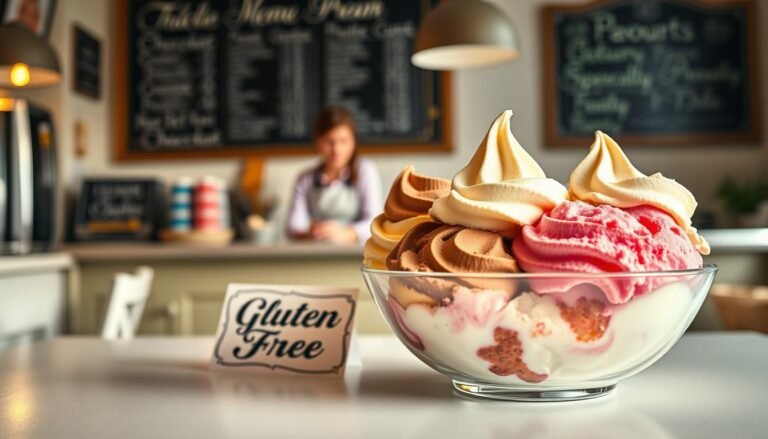
Neapolitan
Neapolitan presents vanilla, chocolate, and strawberry side by side. It dates to Italian immigrants and made multi-flavor tubs popular in the 19th century.
Neapolitan is practical for sharing and inspires modern combo tubs and swirl-based treats.
| Flavor | Main ingredients | Serving tip |
|---|---|---|
| Vanilla | Milk, cream, sugar, vanilla bean | Slightly softened, pairs with pies |
| Chocolate | Milk, cream, sugar, cocoa | Cold scoop for intense flavor |
| Strawberry | Milk, cream, sugar, fruit | Serve chilled to preserve brightness |
Mix-ins and cookie-inspired favorites
Mix-ins take a smooth base and turn each bite into a textural surprise.
We group chip-forward scoops that pair a vanilla or flavored cream with solid pieces, dough nuggets, or cookie fragments. Texture—chips, chunks, and cookie pieces—creates contrast and keeps each spoonful interesting.
Chocolate chip
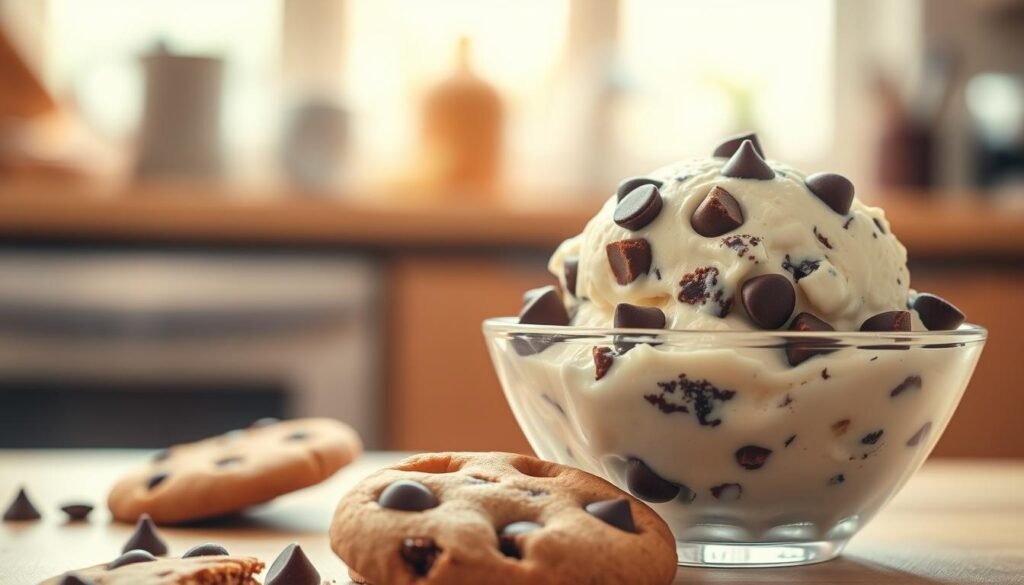
Classic chocolate chip uses a clean vanilla base dotted with chocolate pieces. The chips give quick cocoa hits while the base stays mild and creamy.
Chocolate chip cookie dough
Popularized in the 1980s, chip cookie dough adds edible dough chunks to a vanilla or sweet cream base. The dough pieces provide chew and nostalgia in every mouthful.
Cookies and cream
This style blends cream with crumbled sandwich cookies. Some versions use fine crumbs for even flavor; others keep large cookies for chew and contrast.
Mint chocolate chip
Mint chocolate chip pairs mint-flavored cream with dark chips. Peppermint or spearmint oils change the lift, while chocolate ratio controls bitterness and balance.
Moose Tracks
Moose Tracks layers peanut butter cups, brownie bits, or similar chunks into a base with a signature fudge ribbon. It’s an indulgent option with dense swirls and chunky inclusions.
| Flavor | Main base | Main inclusions | Texture impact |
|---|---|---|---|
| Chocolate chip | Vanilla | Chocolate chips | Small crunchy bites |
| Chip cookie dough | Sweet cream | Unbaked dough chunks | Chewy, soft chunks |
| Cookies and cream | Vanilla / cream | Chocolate sandwich cookies | Crumbly to chunky contrast |
| Mint chocolate chip | Mint cream | Chocolate chips | Cooling mint with crunch |
- Look for real cocoa butter and identifiable chips rather than generic “chocolatey” coatings.
- Prefer “chunks” over fine crumbs if you want pronounced texture.
- Scoop gently to preserve large inclusions; serve with extra cookie pieces or hot fudge for crunch and warmth.
Nutty and buttery crowd-pleasers
Nut-forward scoops marry toasted richness with creamy bases that feel both homey and indulgent.
Butter pecan
Butter pecan pairs a buttery vanilla base with toasted pecans for a warm, nutty profile. Browning the butter and toasting the pecans brings caramelized notes that lift the sugar and dairy.
We recommend medium-size pecans so each scoop keeps a tender crunch without overpowering the cream.
Pistachio
Pistachio is prized for its pale green hue and aromatic, slightly savory nuttiness. Real pistachios or finely ground nuts and a hint of almond paste give true depth.
Avoid versions that rely only on color or artificial flavor; real nuts change both aroma and mouthfeel.
Butterscotch
Butterscotch leans on brown sugar and butter rather than straight caramel. That cooks up a deeper, toffee-like sweetness that pairs well with warm brownies or a simple shortbread.
Praline additions or a light sprinkle of sea salt highlight the brown sugar backbone.
Chunky Monkey
Ben & Jerry’s Chunky Monkey blends banana ice cream with fudge chunks and walnuts for banana, chocolate, and nut contrast. The walnuts add earthy crunch that balances sweet banana and chocolate pieces.
We note allergen labeling for tree nuts and advise checking cross-contact statements when buying mix-in heavy pints.
- Nut sourcing and light toasting improve flavor and reduce softening from oil migration.
- Higher fat in the base improves scoopability and helps inclusions release flavor slowly.
- Pairings: butter pecan with pecan pie, pistachio with biscotti, butterscotch with warm brownies.
| Flavor | Key notes | Serving tip |
|---|---|---|
| Butter pecan | Browned butter, toasted pecans | Medium toast on nuts; slightly softened |
| Pistachio | Aromatic, nutty, pale green | Use real pistachios; pair with biscotti |
| Butterscotch / Chunky Monkey | Brown sugar butter depth; banana + fudge + walnuts | Warm desserts for butterscotch; chilled for Chunky Monkey |
Caramelized, saucy, and perfectly salted
When sugar browns and blends with dairy, the result lifts a simple base into a layered, buttery-sweet scoop. We look at how sauces, ribbons, and milk-cooked confections change mouthfeel and flavor.
Salted caramel
Salted caramel starts with granulated sugar caramelized to deep amber, then mixed with cream and a touch of salt. The salt brightens sweetness and makes each bite taste more complex without adding more sugar.
In pints we find ribbons, variegates, or pockets. Ribbons give long pulls; pockets deliver intense bites. Salted caramel pairs well with brownies, vanilla, and chocolate for contrast.
Dulce de leche
Dulce de leche is a slow-cooked, milk-based caramel. It feels creamier and more mellow than straight caramel and often appears as spread-like swirls in ice cream.
We read labels to confirm real caramelization rather than artificial color or flavoring. Heat stability varies by brand, which affects how sauces hold up during scooping and service.
| Style | Primary notes | Common formats | Recommended pairing |
|---|---|---|---|
| Salted caramel | Browned sugar, salt, butter | Ribbons, pockets, sauce | Brownie sundae, vanilla scoop |
| Dulce de leche | Milk caramel, mellow, toffee | Spread swirls, variegate | Cone-dipped, apple or nut toppings |
| Caramel ripple | Cooked sugar, buttery depth | Thin ribbons, dense pools | Pair with nuts or warm fruit |
Coffee and tea flavors for an anytime pick‑me‑up
We lean into brewed and steeped profiles that wake up your palate without overpowering dessert time. These scoops range from bold shots to delicate leaf infusions that pair well with both pastries and straight servings.

Coffee
Our coffee selections span espresso‑forward, roast‑driven scoops and gentler latte styles. Traditional recipes use eggs, cream, vanilla, and sugar with ground coffee for real aroma.
Roast level and grind size change intensity. Bold roasts yield bitter notes; lighter roasts keep acidity and floral lift.
Mocha
Mocha blends coffee and chocolate for a rich finish. Cocoa percentage tunes bitterness and sweetness, so we pick darker chocolate when we want depth.
Matcha
Matcha brings earthy, grassy complexity. High‑grade Uji matcha in Japan makes a vivid, intense soft serve that highlights green tea, not just color.
Earl Grey tea
Earl Grey offers bergamot’s citrusy aroma as a floral alternative. It reads as light and fragrant with shortbread or mild vanilla desserts.
| Profile | Key notes | Best pairing |
|---|---|---|
| Coffee | Roasty, bitter, aromatic | Dark chocolate sauce |
| Mocha | Cocoa + espresso balance | Brownie bits |
| Matcha | Earthy, vegetal, bright | Sweet red bean |
| Earl Grey | Floral, citrus, bergamot | Shortbread |
Fruit-forward flavors, from orchard to tropics
Fruit-forward scoops run the gamut from tart orchard picks to juicy tropical purées. We focus on how fruit content, texture, and add-ins change the eating experience.
Cherry and Cherry Garcia
Plain cherry ice cream relies on a smooth fruit base and whole cherry bites for bursts. Cherry Garcia, launched in 1987 by Ben & Jerry’s, layers cherry ice with cherry pieces and chocolate flakes for contrast.
We compare the two: plain versions spotlight fruit purity, while Cherry Garcia balances fruit, chocolate, and texture.
Black raspberry
Black raspberry is a New England favorite with deeper, wine‑like intensity. Its tartness sets it apart from standard raspberry and makes it great with lemon cookies.
Mango
Mango shines when made from ripe purée. Natural sweetness lets brands skip excess sugar; we favor bright, pulpy batches that pair well with coconut shreds.
Teaberry
Teaberry delivers a minty, slightly medicinal note. It’s most common in Pennsylvania parlors and worth sampling if you like bold, nostalgic flavors.
Strawberry cheesecake and ripples
Strawberry cheesecake styles add cheesecake chunks or graham swirls into a vanilla cream base. Raspberry ripples and syrup ribbons add color and concentrated fruit hits.
| Flavor | Key trait | Best pairing |
|---|---|---|
| Cherry / Cherry Garcia | Cherry depth vs. cherry + chocolate flakes | Dark chocolate sauce |
| Black raspberry | Intense, tart berry | Lemon cookie |
| Mango | Tropical, pulpy sweetness | Coconut shreds |
- Read labels to spot real fruit content rather than “flavor” — real purée affects aroma and hue.
- Seasonality drives many fruit releases; expect limited runs during peak harvest.
Chocolate-loaded creations beyond the basics
Some scoops double down on cocoa, turning a simple pint into a full-on chocolate celebration. We explore signature builds that layer texture and deep cocoa to keep each bite interesting.
Rocky road roots and structure
Rocky road pairs a chocolate ice base with nuts and marshmallows. The style traces to Dreyer’s in the late 1920s and now appears with varied nut ratios and types.
Marshmallows add gooey chew that offsets dense chocolate. Nuts give crunchy contrast; peanut or tree nut choices change the bite and allergy notes. Read labels for peanut warnings and cross-contact statements.
Double-chocolate chip variations
Double-chocolate chip builds use a chocolate ice foundation plus chocolate chips, flakes, or fudge ribbons. Extra add-ins like brownie chunks or fudge make the pint richer and denser.
For tasting, we look for balance so chips and chunks don’t overpower the cream. Real cocoa butter improves melt and mouthfeel; slightly warmer service temp reveals more cocoa depth.
| Style | Core base | Main inclusions |
|---|---|---|
| Rocky road | Chocolate ice | Marshmallows, nuts (peanut/tree) |
| Double-chocolate chip | Chocolate ice | Chocolate chips, fudge ribbons |
| Overload add-ins | Chocolate or vanilla | Brownie chunks, hot fudge, sea salt |
Fun, colorful, and nostalgic scoops
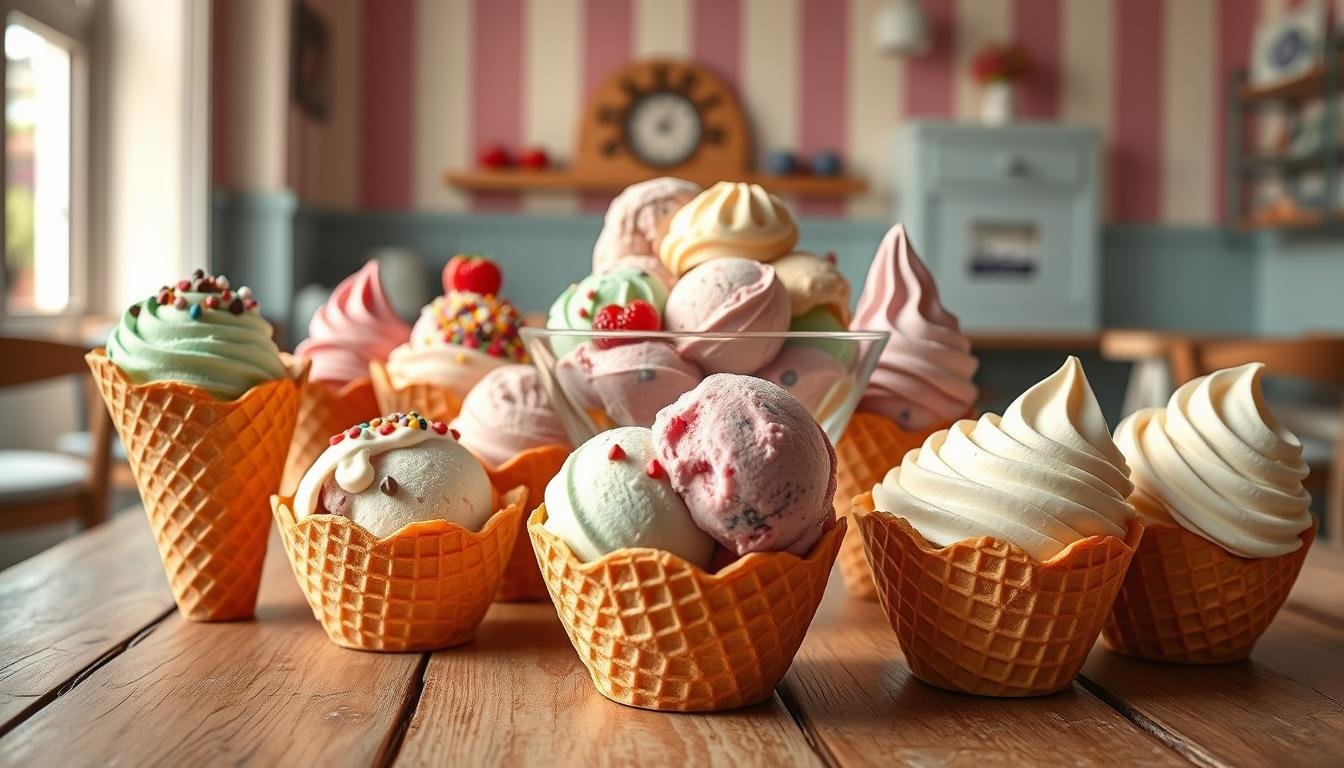
Playful, candy-forward scoops bring bold color and big nostalgia to any sundae table. We focus on three crowd-pleasers that lean into bright aroma and playful texture while giving practical tips for serving and storage.
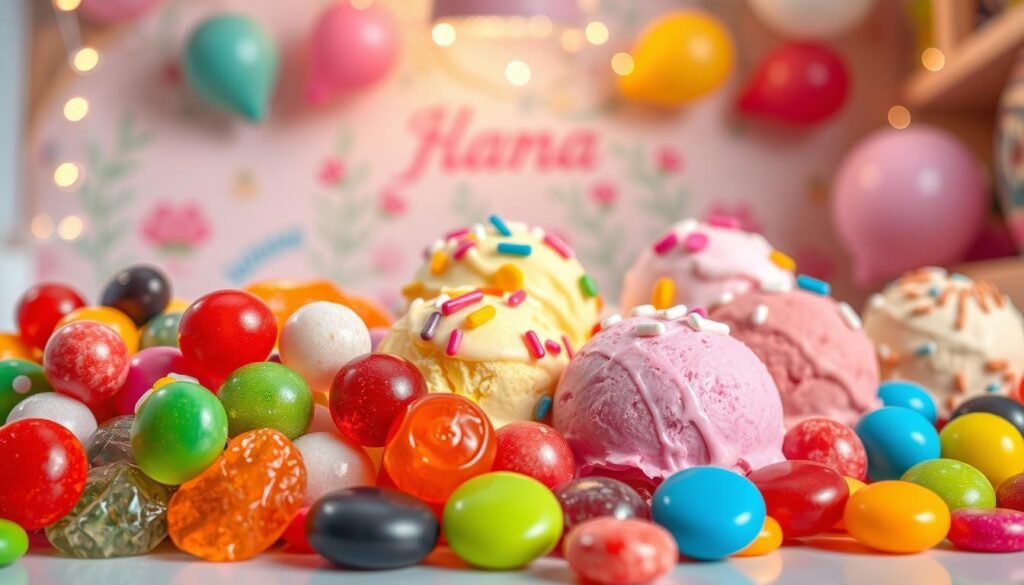
Bubblegum
Bubblegum often uses an artificial sweet profile plus whole gumballs for surprise chew. Those gumballs add texture but require a chewing note on labels for families and schools.
We find bubblegum best in small scoops paired with plain vanilla cones to temper sweetness. It reads as candy first and dessert second.
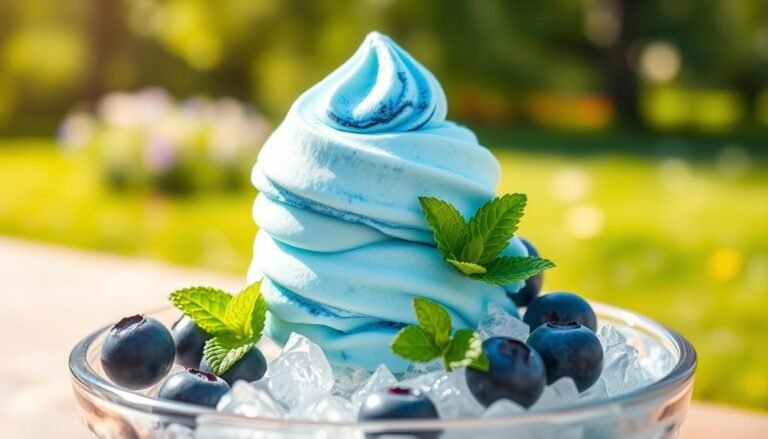
Blue moon
Blue moon is a bright, Midwestern cult favorite. Its flavor blend is part citrus, part marshmallow, and often leans on candy-like aromatics.
Shops usually keep it regional; try a small cup to sample the mystery blend without committing to a full pint.
Cotton candy
Cotton candy captures spun-sugar notes in a creamy format without stickiness. Brands translate that airy profile into a soft cream base that melts like classic ice but tastes like the fairground treat.
Pair with rainbow sprinkles or a crunchy waffle shell so the sweetness balances with texture.
- Keep bright scoops in airtight tubs to avoid freezer odor absorption.
- Serve slightly softened for color clarity; use small portions since these flavors are sweeter.
- Check labels for natural versus artificial dyes if clean labels matter.
| Flavor | Key trait | Serving tip |
|---|---|---|
| Bubblegum | Gumballs, chewy bites | Small scoops, plain vanilla cone |
| Blue moon | Regional, mystery blend | Sample cup, pair with sprinkles |
| Cotton candy | Spun-sugar aroma, creamy texture | Crunchy cone, small portions |
Savory and unexpected flavors that surprise us
We find that salty, smoky, and earthy ingredients reframe how sweetness reads in a pint.
Cheese (queso)
Cheese ice balances salty, sharp, and sweet notes. Finely grated queso folds into a sweet cream base so each spoonful hits both savory and sugary sides.
Pairing tip: drizzle salted caramel for contrast. Sourcing: look for Filipino grocers and regional scoop shops for authentic versions.
Bacon
Bacon adds smoke and fat to a custard, boosting flavor carry and mouthfeel. Rendered bacon fat can deepen texture, while crisp pieces bring chew.
Pairing tip: try maple ripples. Dietary note: contains pork and dairy; check labels for cross-contact with peanut products.
Ube (purple yam)
Ube is a Filipino favorite with vivid purple color and gentle earthiness. It pairs well with coconut and condensed milk in halo-halo–style desserts.
Pairing tip: toast coconut flakes for extra texture. Source ube at specialty markets or scoop shops that stock regional flavors.
- Try a small flight to compare savory scoops alongside vanilla and chocolate staples.
- Note sugar and milk levels—savory notes often make sweetness feel lower.
| Flavor | Key trait | Best pairing |
|---|---|---|
| Cheese (queso) | Sweet‑salty balance | Salted caramel drizzle |
| Bacon | Smoky, savory crunch | Maple ripple |
| Ube | Earthy, vivid purple | Toasted coconut |
Global and regional specialties we look for when we travel
Across continents, local ingredients shape the most memorable frozen scoops we chase on trips.
Ube from the Philippines has a sweet, earthy profile. It reads like a purple yam dessert and pairs well with halo-halo or condensed milk. Seek family-run parlors and markets for the truest version.
In Japan, matcha soft cream—especially around Uji—uses finely ground tea for a grassy, slightly bitter lift. The soft-serve texture makes the matcha aroma pop, unlike firmer pints abroad.
New Zealand’s hokey pokey blends a vanilla base with crunchy honeycomb toffee pieces. The local sugar and toffee technique give a denser scoop and a satisfying brittle crunch.
Canada’s tiger tail mixes bright orange ice with black licorice swirls. It’s a nostalgic regional flavor that balances citrusy notes with anise bite. Try it alongside a coffee or a simple vanilla cookie for contrast.
- Where to look: specialty parlors, farmer markets, and brand pop-ups.
- Texture note: soft-serve vs. dense tubs changes aroma and mouthfeel.
- Try tasting flights to sample several regional flavors in one visit.
| Region | Signature | Texture | Suggested pairing |
|---|---|---|---|
| Philippines | Ube (purple yam) | Dense, vivid | Halo-halo, condensed milk |
| Japan (Uji) | Matcha soft cream | Silky soft-serve | Wagashi, light pastries |
| New Zealand | Hokey pokey (vanilla + toffee) | Dense tub with crunchy toffee | ANZAC biscuits |
| Canada | Tiger tail (orange + licorice) | Firm scoop with ribboned swirls | Vanilla cookie, coffee |
Types of Flavored Ice Cream: how we group, taste, and compare
We use a simple tasting rubric to rate each scoop by base quality, mix-in balance, and aftertaste.
When we compare ice cream flavors across brands, we look for consistency, honest ingredients, and layered complexity.
Some entries fit more than one category — Moose Tracks, for example, sits between mix-in heavy and chocolate-loaded because it combines fudge ribbons with chunky inclusions.
The business cycle matters: many producers test new releases seasonally before a year-round roll‑out.
For home tastings, build a small flight that spans fruit, candy/mix-ins, and salted or caramelized styles.
Pause with neutral crackers or water between samples to reset the palate.
Keep a running list of favorites and short notes so future shopping is faster and smarter.
| Rubric element | What we score | Why it matters |
|---|---|---|
| Base quality | Fat, texture, purity | Controls mouthfeel and flavor lift |
| Inclusion spread | Size, distribution, integrity | Affects balance and bite |
| Sweetness / salt balance | Perceived sugar vs. seasoning | Determines finish and repeatability |
| Aftertaste & complexity | Length, off-notes | Shows ingredient integrity (vanilla, chocolate, etc.) |
Availability in the U.S. right now: year‑round staples vs. rotational treats
Grocery freezers mix steady classics with short‑lived seasonal hits. We track what shoppers can expect to find any week and what shows up for a limited run.
Year‑round staples
Most supermarkets stock vanilla, chocolate, cookies and cream, and butter pecan all year. These pints rely on stable demand, steady milk supplies, and predictable sugar and cream inputs.
Rotational and seasonal releases
Limited drops arrive for a few weeks or months — pumpkin and spice in fall, berry blends in summer, or caramel riffs around holidays. Supply chains and ingredient seasonality often set those windows.
- Sherbet and no‑sugar‑added lines sit in separate freezer bays and offer lighter or diet alternatives.
- Small-format take‑home snacks appear in the frozen novelties aisle for quick grabs.
- Track retailer circulars and brand newsletters for exclusive or limited pints.
| Category | Where to find | What to expect |
|---|---|---|
| Year‑round | Supermarket freezer aisles | Reliable stock: vanilla, chocolate, cookies |
| Rotational | Seasonal displays, brand launches | Short runs: pumpkin, summer berries, caramel riffs |
| No‑sugar / Sherbet | Diet/frozen dessert section | Lower sugar or fruit‑forward, lighter cream content |
We recommend buying an extra pint of a short‑run favorite and freezing it flat in the back to preserve texture. Regional chains also carry local specialties, so travel and specialty shops can surprise you with unique flavors and limited editions.
Where we go next with flavor exploration
Expect the next wave to pair classic bases with bold ribbons and filled inclusions that surprise on the first bite. We see more peanut butter and peanut-driven mashups—ribboned swirls, filled cups, and layered pieces added to vanilla ice cream and chocolate ice cream. Brands like Ben & Jerry’s and other innovators will keep testing nut butters and chocolate swirls to push texture and contrast.
We also expect more caramel-forward pints, cookie dough innovations, and limited runs inspired by global desserts with pistachio and pecan notes. We recommend simple at-home tweaks—add chopped chocolate, mint leaves, or extra chunks—to customize a scoop. Keep tasting, note favorites, and watch for coffee-adjacent and salted caramel riffs as the next wave.