What Flavor is Blue moon Ice Cream

What Flavor is Blue moon Ice Cream

We open by answering the core question: this Midwestern classic is a bright blue, creamy scoop with a playful, candy-adjacent profile. Many tasters call it a citrus-vanilla mash-up, while others detect marshmallow, amaretto, pudding, or straight-up cereal notes like Froot Loops.

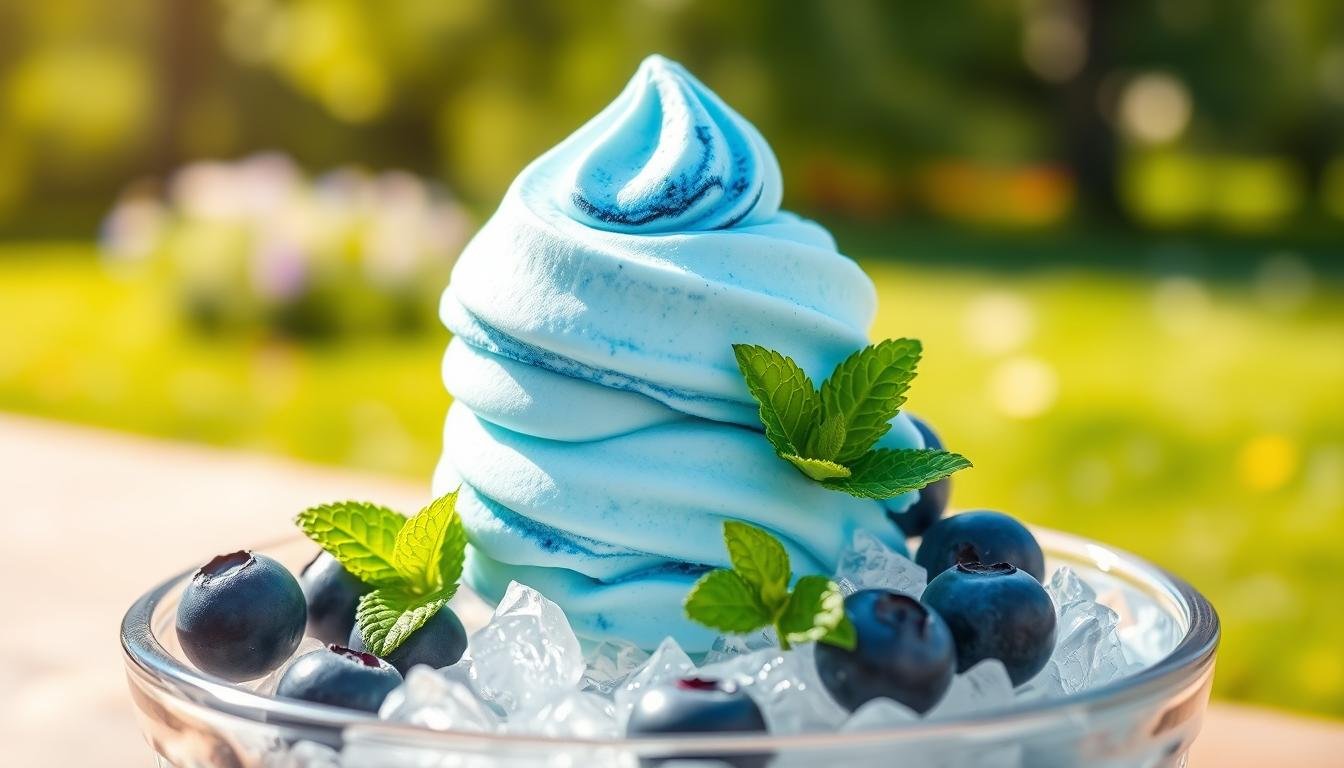
The texture is smooth and rich, thanks to a velvety cream base that makes each bowl pop. The striking color makes the treat instantly recognizable at parlors across Wisconsin and Michigan.

We note that the exact recipe has been kept secret since the 1950s, when Bill Sidon and Milwaukee’s Petran Products popularized the mix. That mystique helps the flavor endure over time and ties it to Superman ice, where the blue portion often plays a starring role.

Later we’ll explore DIY approximations, regional shifts, and tasting tips so you can judge for yourself. For now, keep an open mind—debate over this concoction is part of the fun.

What Flavor is Blue moon Ice Cream

Tasting this regional favorite feels like stepping into a candy aisle and a creamery at once.

We sense a bright citrus lift paired with soft vanilla cream. That mix gives a candy-adjacent profile rather than a single, neat note.

Many people compare it to familiar treats: Froot Loops cereal, cotton candy, bubble gum, or marshmallow. Some tasters pick up light almond extract or a vanilla pudding roundness. A few swear they taste black cherry or fruity cereal tones.

The vivid blue color and the silky cream texture make the scoop memorable. Yes, it can stain your tongue, and the bowl often looks as playful as the taste.
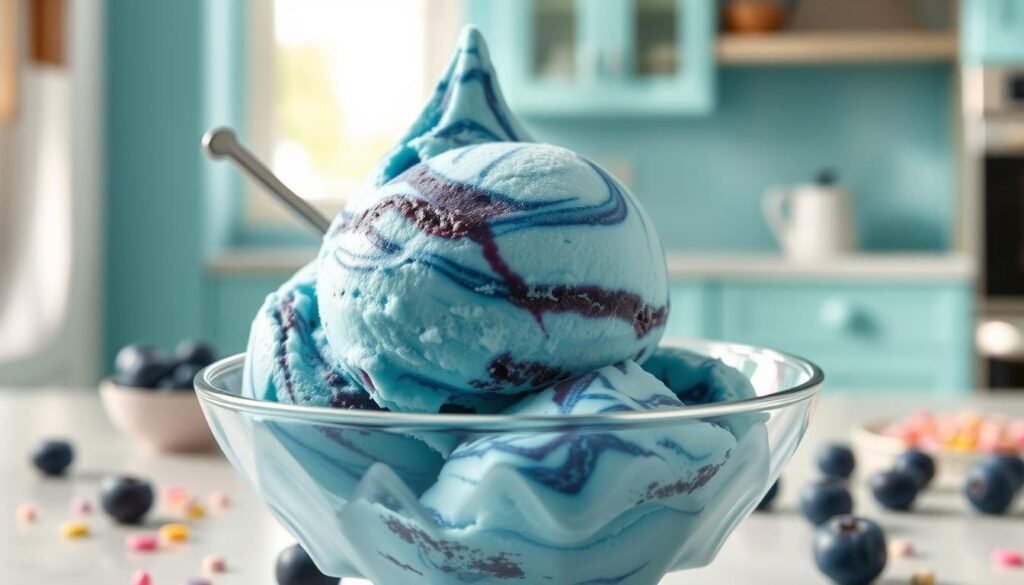
A tantalizing scoop of blue moon ice cream in a sleek, crystal-clear bowl, showcasing its vibrant, deep blue color with swirls of lighter blue and hints of purple. The foreground features the creamy texture and rich colors of the ice cream, perhaps with a silver scoop resting beside it. In the middle ground, soft-focus details of scattered blueberries and a sprinkle of colorful candy or sprinkles can be seen, adding a playful touch. The background features a cool, pastel-toned kitchen setting, softly illuminated by natural light streaming through a window, creating a delightful, inviting atmosphere. Use a slightly overhead angle to emphasize the ice cream's appealing appearance, capturing the essence of summer indulgence. The scene should feel refreshing and whimsical, evoking the joy of enjoying this unique flavor.

Taste Layer Common Comparison Ingredient Clues
Citrus-vanilla base Vanilla, lemon hints Vanilla, citrus extract
Candy notes Froot Loops, cotton candy, gum Artificial flavors, sweeteners
Subtle layers Almond, pudding, cherry Almond extract, pudding mix, fruit notes

Creamery takes, like Clementine’s, describe bubble gum and cotton candy with a lemon lift. We recommend treating each scoop as a small tasting experiment: judge by palate, mood, and memory.

From Midwest Mystery to Icon: Origins and Regional Roots

Our story traces how a guarded recipe became a regional icon across the Upper Midwest.
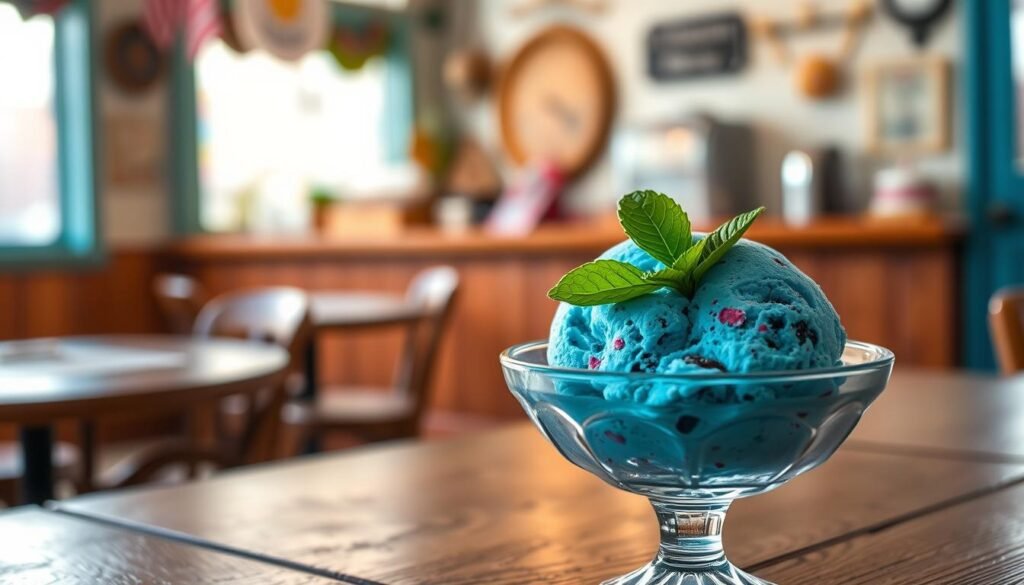
A vibrant scoop of blue moon ice cream in an elegant glass dessert dish, adorned with a sprig of mint. The foreground highlights the rich, deep blue color of the ice cream, speckled with bits of colorful flavors, hinting at its mysterious origins. In the middle ground, a rustic wooden table evokes a Midwest setting, with soft, natural lighting casting a warm glow on the scene. The background features a cozy ice cream parlor with vintage decorations, blurred slightly to create depth. The atmosphere is playful yet nostalgic, inviting viewers to reminisce about summertime treats. The image should have a soft focus and a warm color palette, fostering a sense of comfort and whimsy without any text or distractions.

Petran Products, Bill Sidon, and the long-held secret recipe

In the 1950s a Milwaukee company hired Bill Sidon, a chief flavor chemist, to craft a new scoop. Petran Products helped trademark a recipe that stayed under lock and key.

The secret kept the product consistent and helped shops claim a unique draw. That secrecy made the recipe part of the aura surrounding the treat.

Why Wisconsin and Michigan made it a staple—and its link to Superman ice cream

Local creameries, including Madison’s Chocolate Shoppe, kept the tradition alive. Small shops, county fairs, and neighborhood counters spread the taste more than national ads did.

On supermarket and parlor menus, the blue portion often appears alongside red cherry and a yellow scoop to form Superman ice cream. Regional pride and slight recipe changes at each company created lasting variations.

  • Origin: 1950s, Petran Products and Bill Sidon
  • Secrecy: trademarked recipe preserved consistency
  • Regional spread: Wisconsin and Michigan shops, Chocolate Shoppe cited
  • Cultural role: common part of Superman ice combinations
Aspect Origin Regional Role Legacy
Creation Petran Products, Milwaukee Adopted by local creameries Trademarked, guarded recipe
Notable Name Bill Sidon (chemist) Chocolate Shoppe and others Part of local food identity
Common Use Scoop menus Superman ice combos Shop-by-shop tradition
Variation Original secret Regional tweaks Enduring mystique

What it’s made of at home: flavors, mix-ins, and color cues

At home, we rebuild the signature profile by layering citrus, berry, and creamy notes into a custard base. Small, precise additions make the difference between a candy-like scoop and a mellow dairy treat.

Raspberry, lemon, and vanilla pudding mix

Home recipes often use raspberry and lemon with vanilla pudding mix to echo the classic profile. The pudding mix adds body and a nostalgic vanilla pudding note that many tasters expect.

Vanilla, almond extract, and other flavor layers

We finish the base with vanilla extract and sometimes a tiny almond hint to capture that subtle nutty finish. Measure extracts carefully so they complement, not overpower, the cream.
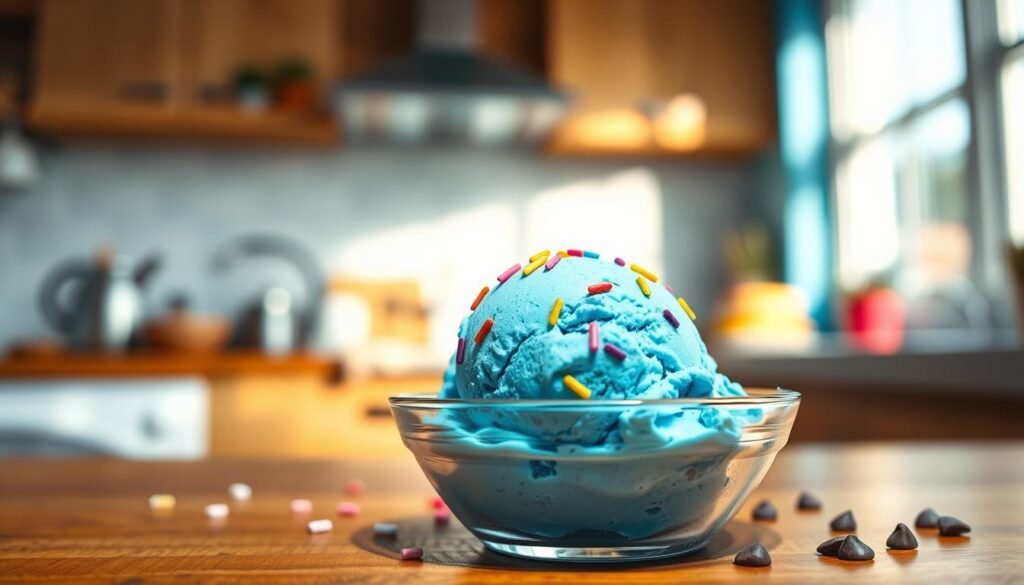
A delicious scoop of blue moon ice cream sits enticingly at the forefront, showcasing its vibrant azure hue and creamy texture. The scoop is placed in a clear glass bowl, with colorful sprinkles scattered across the top, reflecting a playful and inviting mood. In the background, a soft-focus kitchen scene can be seen, illuminated by warm, natural light filtering through a nearby window, creating a cozy atmosphere. A wooden countertop provides an earthy contrast, with faint hints of mix-ins like crushed nuts and chocolate chips visible around the bowl. The angle is slightly overhead, emphasizing the ice cream’s texture and colors, making it look mouthwatering and appealing. The overall composition evokes a sense of homemade delight and culinary creativity.

  • Build a custard from egg yolks, sugar, milk, and heavy cream.
  • Fold in vanilla pudding mix, then add measured lemon and raspberry.
  • Color with blue food coloring sparingly for the signature hue.
  • Chill the base well, then churn with plenty of ice for smooth texture.
Component Role Tip
Vanilla pudding mix Body and sweetness Use full-fat mix for creamier results
Lemon and raspberry Citrus-fruity lift Add in small doses, taste as you go
Milk & cream Structure and mouthfeel Heavy cream boosts scoopability

No single home recipe matches the original; that secrecy keeps moon ice cream enigmatic. We recommend testing small batches and keeping notes so your best recipe evolves with each try.

Ready for a scoop today

Hungry for a taste? Start with Madison’s Chocolate Shoppe or try Clementine’s in St. Louis for a Nice-collection take that leans into raspberry and lemon. We also find Hudsonville tubs handy for gatherings and The Konery’s blue cone adds playful contrast to the sweetness.

Ask for a small sample before you order a full scoop. Compare a shop serving moon ice cream to an at‑home version from the recipe notes above. Side‑by‑side tastings help reveal which style and flavor you prefer.

Bring a friend, jot down what you notice — marshmallow, cotton or cereal notes — and enjoy the communal part of the experience. Then grab a bowl or cone and decide which approach wins your taste buds.
FAQ

What taste profile does Blue Moon offer?

We describe it as a citrus-vanilla blend with playful candy undertones. Many people pick up light lemon-lime notes layered over a smooth, creamy base. Hints of marshmallow and mild fruitiness round out the experience, giving a nostalgic, sweet finish.

How would you compare it to other sweet treats?

Folks often liken the scoop to Froot Loops, cotton candy, bubble gum, or marshmallow cereals. These comparisons come from the bright, sugary aroma and candy-like aftertaste rather than a direct match to any single commercial candy.

Why does the color matter so much for perception?

The vivid blue tint primes us to expect a bold, sweet flavor. Color influences perceived taste, making the texture feel creamier and the candy notes more pronounced. The hue also ties into regional traditions that associate the scoop with summer and fairs.

Where did this regional specialty originate?

The treat has Midwestern roots, especially in Wisconsin and Michigan. Local dairies and parlors popularized it over decades, turning it into a nostalgic staple tied to lakeside towns and community events.

Are there known companies or people behind the original recipe?

Several local producers and dairy families claim early versions, and small brands like Petran Products are often mentioned in regional accounts. A single, public original recipe hasn’t been proven, which keeps the exact formula mysterious.

How did it become associated with Superman-style offerings?

In some ice cream shops, makers paired the blue scoop with red and yellow flavors to create a tri-color “Superman” presentation. The combination highlighted regional flavors and created visual appeal for kids and families.

What common ingredients do home recipes use?

DIY versions typically start with a classic base: whole milk, heavy cream, sugar, and egg yolks or a custard mix. Popular additions include vanilla pudding mix, lemon or raspberry extracts, and vanilla or almond extract to build depth.

Which flavorings do people add for that signature note?

Many home cooks blend vanilla pudding mix with a touch of lemon or raspberry and a few drops of almond extract. Some use vanilla extract plus a candy or cotton candy flavoring to emphasize the sugary top notes.

How important is food coloring in homemade versions?

The blue color is largely cosmetic but crucial for expectation. A small amount of blue food coloring creates the iconic look without affecting taste. Natural options like spirulina or butterfly pea can tint without synthetic dyes, though flavors may shift slightly.

Why do recipes vary so much from shop to shop?

Shops tailor recipes to local taste, ingredient cost, and brand identity. Some emphasize dairy richness with more cream, others boost candy-like flavors with pudding mix or specialty extracts. That variety preserves the scoop’s mystique.

Can we recreate a close version at home easily?

Yes. Using a custard-style base or heavy cream and milk, fold in vanilla pudding mix plus a hint of lemon or raspberry extract, and finish with blue coloring. Small tweaks to extract levels let us mimic either the candy-forward or more subtle dairy versions.

Are there common mix-ins or variations to try?

We recommend experimenting with mini marshmallows, crushed cereal like Froot Loops for texture, or swirls of fruit jam. Some people enjoy a touch of almond extract or brown butter to add depth without masking the signature sweetness.

Does the scoop typically contain dairy allergens?

Most traditional recipes use milk, cream, and often egg yolks, so they contain dairy and eggs. Non-dairy adaptations exist using coconut milk or almond milk and stabilizers, but flavor and texture will differ from classic preparations.

What tips improve homemade results?

Chill the base thoroughly before churning to reduce ice crystals. Use quality vanilla and a measured amount of extracts to avoid overpowering subtleties. Finally, let the finished pint age in the freezer a few hours for the flavors to meld.

Similar Posts