What Is Alcoholic Ice Cream
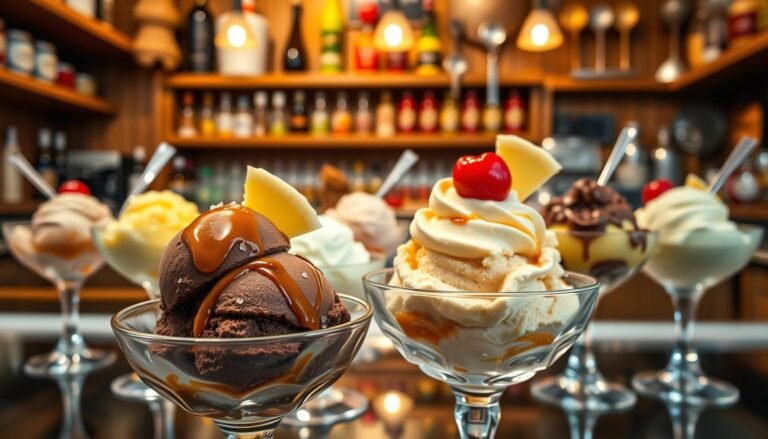
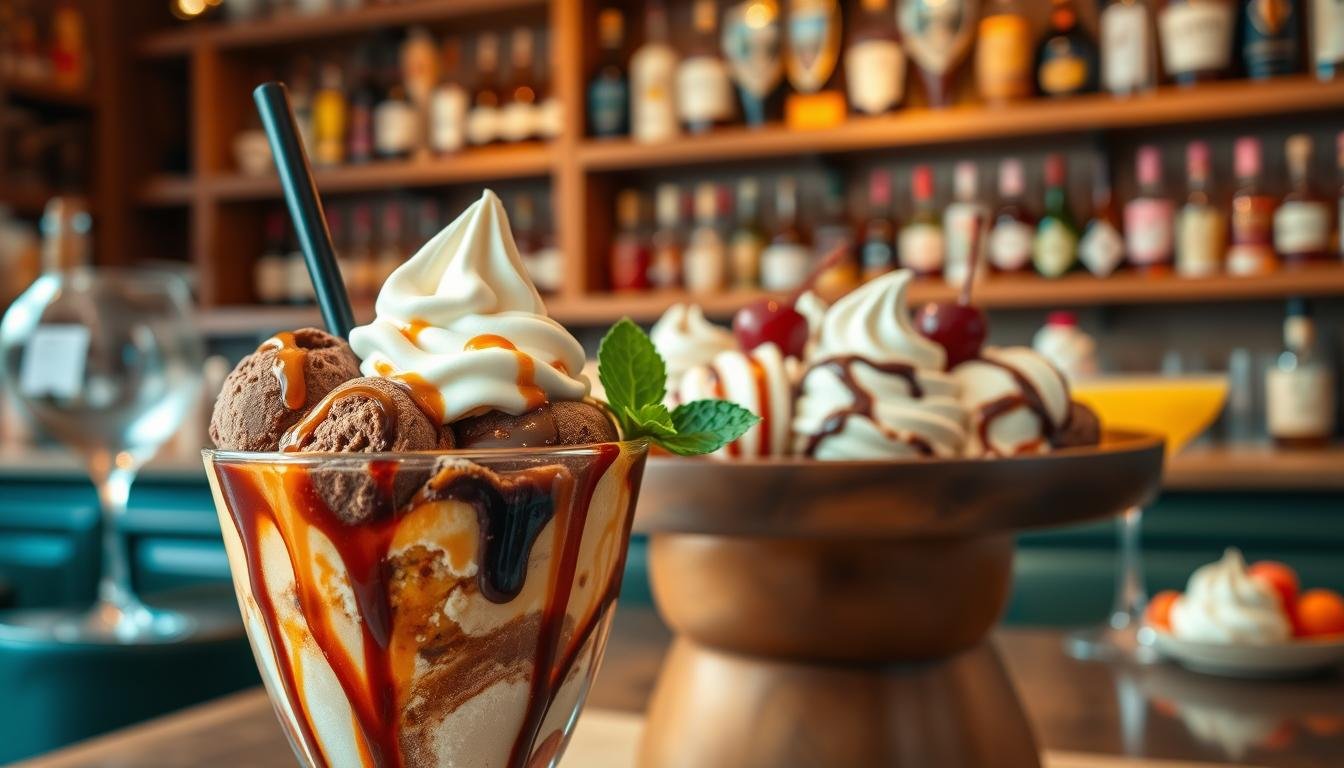
We define this treat as a frozen dessert where measured amounts of spirits are folded into a churned base to bring bold flavor and a softer scoop. Our goal is a dish that reads like a dessert, not a drink, and that still holds shape in a cone or cup.
Because alcohol lowers the freezing point, we tune recipes so the ice matrix stays stable while the dairy remains pliable. Shops such as Clementine’s Naughty and Nice Creamery show how age verification and precise formulas yield safe, consistent treats for adults in the United States.
We balance sugar, fat, and spirit to amplify natural sweetness and highlight distinct flavors. Too little does little; too much makes a scoop too soft and the taste too strong, so we aim for a measured content that keeps texture and character.
Understanding What Is Alcoholic Ice Cream and How We Enjoy It
We produce frozen treats where small, controlled additions of spirits offer flavor without turning the product into a beverage. Our aim is a scoopable dessert that reads as a finished dish, not a cocktail.
Defining churned boozy desserts versus alcohol-infused bases
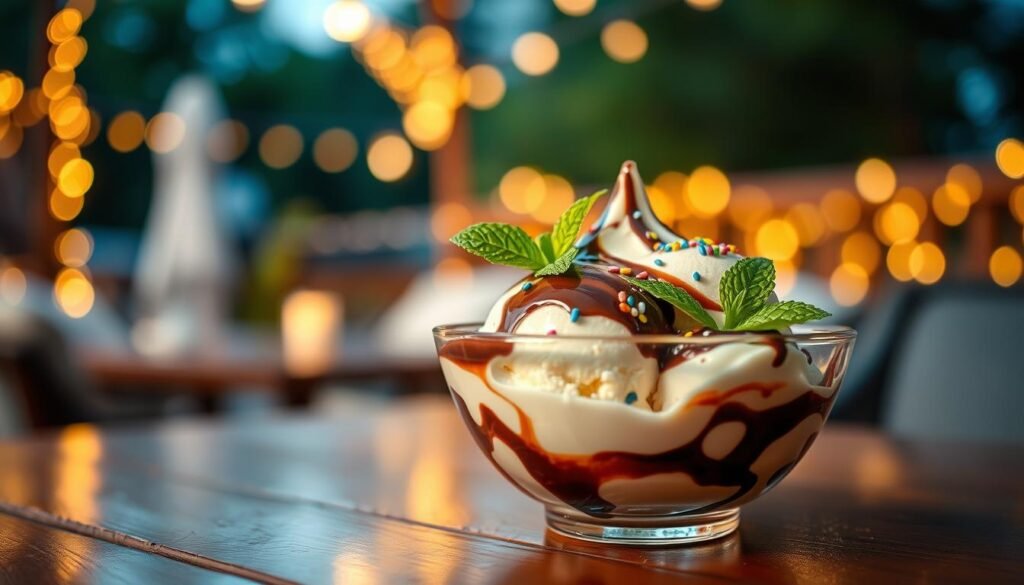
We call boozy ice cream a churned product with measured alcohol folded into the base. In common usage, alcohol ice cream or alcohol-infused versions mean the spirit is integrated, not poured on top.
How blended drinks differ from frozen scoops
Alcoholic drinks like boozy milkshakes mix scoops with liquor or wine in a blender. Those behave like beverages and are made to serve immediately.
For adults only: IDs, portions, and responsible serving
- We card guests in the U.S. and follow 21+ rules for any liquor service.
- We label boozy flavors clearly and state portion content so guests choose wisely.
- We offer non-alcohol alternatives alongside boozy treats for groups.
The Science Behind Alcohol, Freezing Point, and Creamy Texture
Tiny doses of liquor shift the balance between solid ice and free syrup in the churned base. We look at simple numbers and clear rules to keep a scoop stable and flavorful.
Freezing basics and the churn
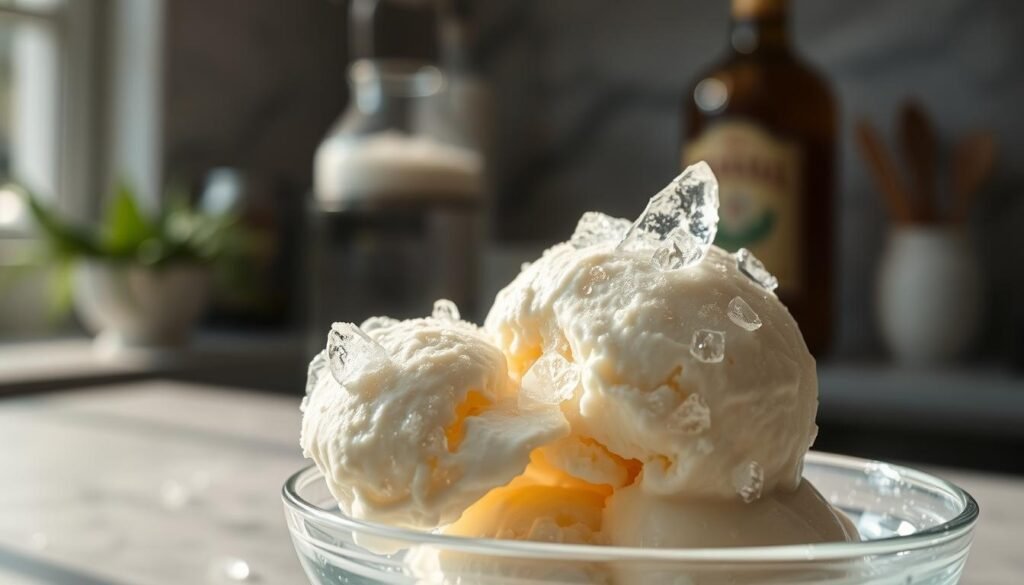
Water freezes at 32°F while pure ethanol sits near -173°F. An 80‑proof spirit freezes around -16°F. Those values matter because small additions lower the freezing point of our mix and raise the unfrozen syrup fraction.
Finding the sweet spot
For a standard quart, we keep additions to about five tablespoons or less of 80‑proof. More than five to six tablespoons risks a slushy batch that tastes too strong and won’t set properly.
Texture control without excess spirit
- Alcohol adds scoopability, not body or long‑term stability.
- We boost butterfat or egg yolks, or add viscous sweeteners to improve mouthfeel.
- Chill the base, add spirits at the right temperature, and churn quickly to limit large crystals.
| Component | Freezing Point | Effect on Texture | Recommendation |
|---|---|---|---|
| Water | 32°F | Forms ice crystals | Manage water with stabilizers |
| 80‑proof spirit | ≈ -16°F | Raises unfrozen syrup, softens scoop | Limit to ≤5 tbsp per quart |
| Ethanol (pure) | ≈ -173°F | Prevents freezing at low levels | Use sparingly; favor flavor over volume |
Flavors, Spirits, Beer, and Wine: Crafting Cocktail-Inspired Frozen Treats
We pair spirits, beer, and wine with dairy to make memorable, scoopable desserts. Our goal is a clear flavor profile that still holds its shape at service temperature.
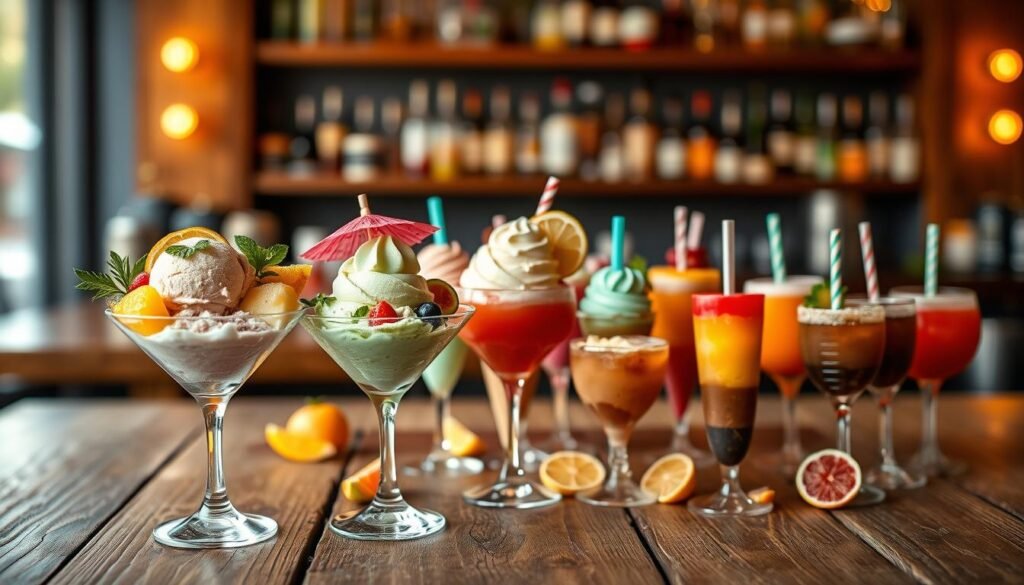
Flavor playbook and spirit roles
Oak-aged whiskey, rum, and brandy add warm vanilla and honeyed notes that complement caramel ribbons. Gin, tequila, and herbal liqueurs lend bright botanicals and citrus that lift lighter bases.
For a quart, we use one to two tablespoons for a whisper of spirit, three to four for a full bloom, and treat five tablespoons as the practical ceiling for structure.
Beer and wine: concentration and freshness
Beer styles range widely, so we reduce gently to concentrate malt, cocoa, or hop character while removing excess water that would make hard ice. Stouts and porters often become richer after a short reduction.
With wine, we sometimes cook to a viscous syrup for mulled profiles and sometimes reserve a tablespoon of un-reduced wine to return fresh acidity after pasteurizing the base.
- Pairings: rye with sweet vermouth for a Manhattan note; tequila with Cointreau and lime zest for a frozen margarita feel.
- Caramel: cook sugars for pliable ribbons that stay soft in the churn and match bourbon or dark rum.
- Additions: split spirits—some pre-churn, a touch post-churn—to protect volatile top notes.
| Ingredient | Role in Flavor | Recommended Addition (per quart) | Technique Tip |
|---|---|---|---|
| Whiskey / Brandy | Warm vanilla, caramel, oak | 1–4 tbsp | Add pre-churn; pair with caramel sauces |
| Gin / Tequila | Botanical, citrus lift | 1–3 tbsp | Add late or split additions to preserve aroma |
| Beer / Wine | Malt, fruit, tannin, acidity | Reduce then add 1–2 tbsp reserved | Reduce gently; keep some fresh liquid to restore aromatics |
| Liqueurs | Sweet, concentrated flavor | ½–2 tbsp | Use sparingly; add late for aroma |
Bringing It All Together for a Better Boozy Scoop
We wrap technique and restraint into each batch so spirit notes shine without compromising structure.
Keep additions to roughly one to four tablespoons per quart and treat five tablespoons as a hard ceiling for 80‑proof spirits. Beyond that, the mix fails to freeze properly and the flavor becomes harsh.
Build body with higher fat, extra yolks, or viscous sweeteners rather than more liquor. Chill the base, add spirit cold, and churn fast for fine crystals.
Reduce wine gently to concentrate taste, then fold in a small un‑reduced spoonful to restore brightness. Store at steady temps and make batches sized for steady turnover.
In the United States we card for boozy ice cream and offer non‑alcohol options so groups can all enjoy a dessert. Thoughtful formulation keeps our treats scoopable, balanced, and reliable.