Why Does Ice Cream Make You Thirsty
We open with a common question and a clear promise: we will explain the simple science and practical fixes so we can enjoy a scoop without ending up parched. Our focus is on how ingredients and temperature change the body’s fluid balance and what small habits help restore it.
Ice cream’s main components—sugar, fat, dairy proteins, and a pinch of salt—enter the bloodstream during digestion. That raises solute levels and draws water from cells by osmosis, which prompts thirst as the body seeks balance.
The cold surface can numb the mouth and delay thirst signals until after we finish eating. Fruit-based sorbet skips dairy but still has sugar, so it may feel lighter for some people.
We preview practical tips: sip water before, during, and after the treat, watch portions, and keep a bottle handy on warm days. These small steps protect hydration while we enjoy favorite foods.
Ice cream and thirst at a glance: the quick answer
Here’s a short, practical answer that helps us enjoy a scoop without ending up parched. A few things happen fast: sugar and a pinch of salt raise fluid concentration in the gut and later the bloodstream, so water moves out of our cells and the brain signals thirst.
What we’ll cover today and how to use this guide
We summarize causes and give simple steps to prevent dehydration. The cold surface can numb the palate, so thirst often arrives after eating ice or ice cream. Digestion of dairy and fat also uses bodily water and can leave the mouth dry.
- Sugar and a little salt shift fluid balance, so sip water to restore comfort fast.
- Cold treats can delay thirst signals; drinking during the treat helps.
- We’ll cover before, during, and after strategies so drinking water fits any routine.
- Watch signs like a dry mouth or mild headache and act early with a glass of water.
Why Does Ice Cream Make You Thirsty
Eating a rich, sugary scoop starts a simple chain of fluid shifts inside our body. Enzymes break complex sugar into simple sugar that absorbs with water. The gut pulls water in to dilute the high sugar content, and later sugar in the bloodstream draws water from nearby cells by osmosis.
Sugar, osmosis, and water movement
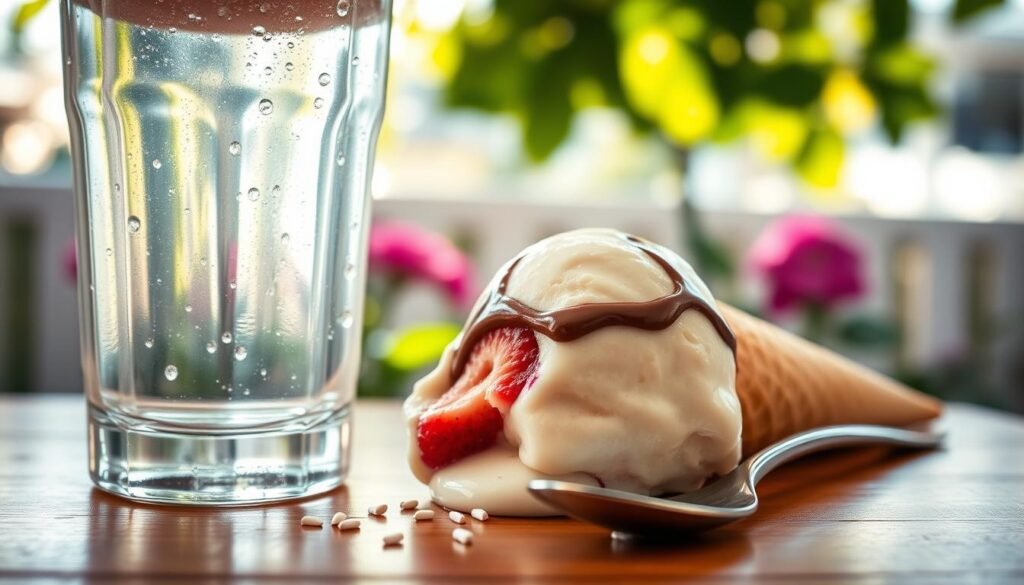
Higher sugar in the gut and then blood raises concentration. Water leaves cells to balance levels, so we feel an urge to drink water. This is the core process that makes thirsty eating common after sweet treats.
Salt and small additives raise demand
Even modest salt must be diluted for absorption. Salt plus sugar increases the need for fluid more than either alone. That sugar salt combo stresses our fluid reserves.
Dairy, fat, and digestion use water
Fat and proteins in cream require extra digestive fluids. Milk solids and fat slow digestion and add to total water demand. The hypothalamus senses the shift from cells to blood and signals thirst so we refill.
- Simple osmosis: sugar draws water from cells to blood.
- Salt adds dilution needs, increasing our need water.
- Dairy and fat raise digestive water use and can make the mouth feel dry.
| Ingredient | Primary effect | Hydration impact |
|---|---|---|
| Sugar | Raises gut/blood concentration | High water shift from cells |
| Salt | Requires dilution for absorption | Increases fluid demand |
| Dairy/Fat | Slows digestion, needs fluids | Adds to total water used |
The cold effect: how temperature masks thirst and dries your mouth
Cold treats blunt oral nerves, so the urge to drink often shows up too late. The chilly surface can numb the palate and hide normal cues that tell our brain to act.
Palate numbing delays the thirst response until we finish eating
The numbness from cold reduces saliva sensation. That delay masks the thirst response, so the signal often arrives only after the mouth warms.
Why cold, creamy textures can make the mouth and throat feel dry
The chilled, sweet cream can lower saliva lubrication and let sugar pull water in the gut and blood. When sensation returns, the body notices the shift and we suddenly feel thirsty.
- Cold dulls oral nerves, so thirst comes late—often after eating ice or a frozen treat.
- The creamy texture plus sugar can reduce saliva and make the mouth dry, prompting us to sip water.
- Sipping small amounts as we go stops the sudden wave of thirst and lowers the chance of dehydration.
Not all ice cream experiences are equal: quality, ingredients, and portions
Not every frozen treat affects hydration the same way; ingredients and portion size change the result.
Some brands emphasize higher-quality recipes with fewer additives. That can alter texture and how the mouth reacts when we eat ice cream, and it may change perceived dryness.
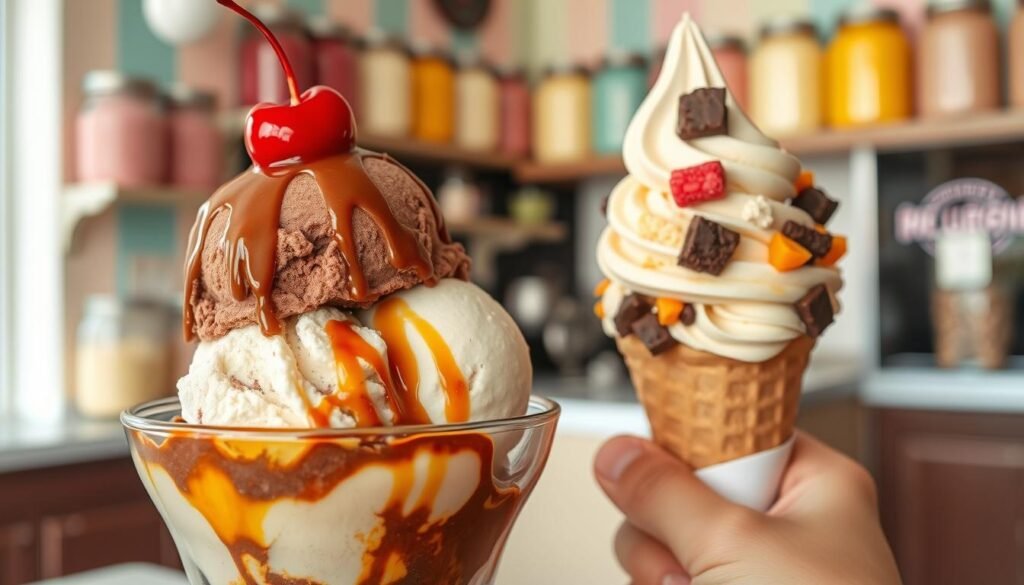
Higher-quality recipes, sugar content, and perceived dehydration
Premium pints can still have significant sugar and salt. Higher sugar content pulls more fluid during digestion, so even a luxury recipe can increase the body’s demand for water.
When sorbet or fruit-based treats may feel easier on your body
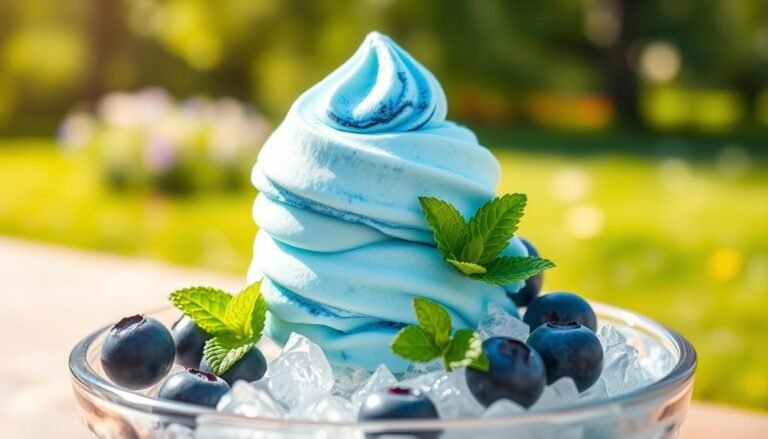
Sorbet uses ice, fruit, and flavorings without dairy. For people who notice a dry mouth from cream, sorbet often feels lighter.
Remember: sorbet still contains sugar and needs water for absorption, so pairing with a glass of water helps balance the effect.
- Compare sugar and salt on labels to predict how quickly we might feel thirsty.
- Try smaller scoops of rich cream to lower immediate water demand.
- Pair any frozen treat with small sips of water to stay comfortable.
| Type | Typical content | Hydration note |
|---|---|---|
| Premium ice cream | Higher fat, varied sugar | Rich texture may feel drier; sip water |
| Sorbet | Ice, fruit, sugar | Feels lighter in mouth but still requires water |
| Low-sugar options | Reduced sugar, additives vary | May lessen fluid shift; check salt |
From first bite to thirst signal: what happens inside your body
A few quick steps follow when we eat a chilled treat. Enzymes in the gut break sugars down for absorption. That enzyme work uses water from nearby tissues during digestion.
Cells, blood concentration, and the brain’s thirst center at work
First, sugar enters the gut and draws fluid in to dilute it. Then sugar moves into the bloodstream and raises plasma concentration.
Osmosis moves water out of our cells into blood to balance levels. This mild cellular shrinkage is what prompts the brain to act.
The hypothalamus monitors blood concentration closely. When it senses higher solute levels, it triggers the urge to drink so the body restores balance.
- Timeline: gut dilution → absorption → cells release water to blood → brain signals thirst.
- Dairy and fat digestion adds to water demand, so cream-rich treats increase the load.
- Sipping small amounts of water early blunts the larger urge later on.
| Stage | What happens | Hydration note |
|---|---|---|
| Gut | Sugar diluted; enzymes active | Water pulled into gut for digestion |
| Absorption | Sugars enter bloodstream | Plasma concentration rises; cells release water |
| Brain response | Hypothalamus senses change | Triggers drinking behavior to restore balance |
How to stay hydrated while you eat ice cream
Small steps before, during, and after a scoop keep our fluid balance steady. These moves are simple and fit any routine.
Before you scoop: prime your system
We drink a glass of water before we serve a dessert. A short drink helps dilute incoming sugar and salt and eases digestion.
During your treat: sip as you go
Sipping while eating balances immediate intake and lowers the chance of a big thirst spike later. Steady, small sips work better than chugging.
After you finish: replenish to restore cells
Finish with another short drink so the bloodstream and cells recover after sugar enters circulation. This restores hydration faster.
Smart pairings and portion tips
- Choose smaller portions or add fresh fruit to reduce sugar per bite.
- Carry a water bottle to support regular water intake while on the go.
- Watch signs like dry mouth or a mild headache and act quickly with a glass of water.
| When | Action | Why it helps |
|---|---|---|
| Before eating | Drink a glass water | Primes digestion and lowers immediate dilution needs |
| While eating | Sip slowly | Balances sugar salt effects and keeps saliva active |
| After finish | Replenish with water | Restores cell volume after blood concentration rises |
Special considerations: when and how to adjust your intake
Some health or weather factors call for small changes to how we enjoy a frozen treat. We should tailor portions and water habits to match our current health and activity. This helps protect blood balance and overall comfort.
Diabetes and managing sugar spikes
People with diabetes must watch portion size and timing around a scoop. Sugar-free options still count toward total foods and can affect blood control. We advise planning treats around meals and checking levels more often when testing response.
Hot weather, activity, and staying hydrated
When it is hot or we are active, sweat raises fluid needs. Increase water intake before and after eating to offset losses. Balancing the sugar salt mix with steady sips helps protect water cells and limits dehydration.
- Choose smaller portions and monitor blood after eating ice cream.
- Space treats earlier in the day so we have time to rehydrate.
- Boost water before activity and watch the thirst response closely.
| Scenario | Action | Why it helps |
|---|---|---|
| Diabetes | Reduce portion; check glucose | Limits blood sugar spikes and keeps us safe |
| Hot weather | Increase water before/after | Offsets sweat loss and lowers dehydration risk |
| Active day | Space treats; sip often | Supports blood balance and steady water cells |
Common mistakes that make you feel even more thirsty
Little mistakes in how we eat frozen treats often turn mild thirst into a bigger problem. Waiting until the mouth is dry before we sip lets a small need become a stronger urge and raises the chance of dehydration.
Pairing a sweet scoop with salty snacks increases how much water the body needs. Ignoring a mild headache or dry mouth means we miss early signals and then try to catch up by drinking a lot at once.
- Delay drinking and the need grows; sip early instead.
- Don’t combine rich cream desserts with salty chips or nuts; salt raises dilution needs.
- Rely on plain water; other drinks can be slower at restoring balance.
- Set a simple habit: pour a glass before dessert so we remember to drink water.
- On hot days, boost intake when eating ice or cream-based foods outdoors.
| Mistake | Why it hurts | Quick fix |
|---|---|---|
| Delaying sips | Thirst spikes; higher dehydration risk | Drink small amounts while eating |
| Sweet + salty | More salt needs dilution | Skip salty add-ons or add water |
| Ignoring signals | Missed early cues like dry mouth | Act on small signs; drink water |
Enjoy your scoop, skip the thirst: our practical takeaways
Finally, a few easy moves help us enjoy frozen treats while protecting fluid balance. Drink a glass water before a serving, sip while eating, and finish with a short drink to restore cells and blood balance.
Choose smaller portions of rich cream desserts and pair a scoop with fresh fruit to cut sugar and salt impact. Cold can mask brain signals, so planned sips stop a late surge of thirst during or after eating ice cream.
Keep a bottle handy so water intake becomes automatic. Plan water, enjoy the ice cream, and notice how much better we feel when simple hydration habits are in place.